
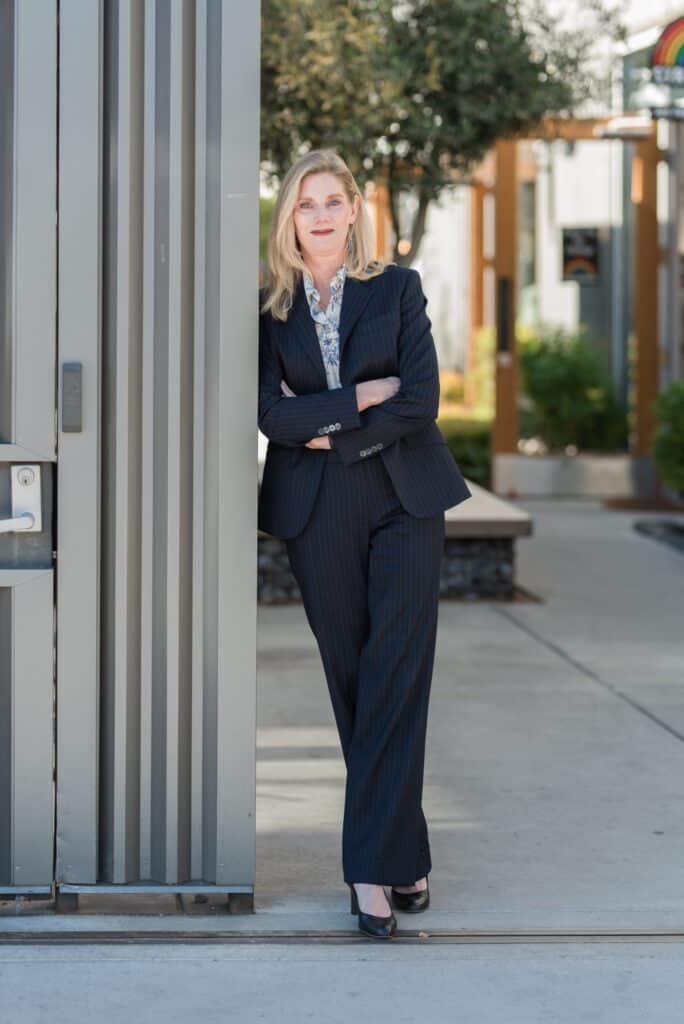
Before I do anything else, I want to alert you to a very important milestone. Two years ago, on April 15, 2024, I joined CCAH as Executive Director. It’s been an amazing two years, full of advocacy and helping the board of directors realize a new vision for CCAH. I want to thank you all for your support and for your engagement. We are where we are today because of you and I couldn’t be happier. I wake up every single day excited to go to work on your behalf. So let’s keep going!
On that note, if you’ve been thinking about joining us in Napa this June, consider this your friendly nudge. Our Spring Conference, June 8–10 at the Silverado Resort, is almost completely sold out. As of today, we have just nine conference tickets left, and our room block at the resort is officially full. The enthusiasm has been incredible and honestly, humbling.
If you’re planning to attend, don’t wait to register. Those last tickets won’t hang around long. And if you’d still like to stay onsite, we’ve opened a hotel room waitlist. I always encourage folks to add their name; rooms do free up, and it’s the best way to stay close to the conversations, receptions, and spontaneous hallway problem‑solving and networking that make our conferences so valuable.
With the conference top of mind, I also want to pause and talk about one of the most meaningful things CCAH is proud to support, the Sabelhaus Scholarship Fund.
The Sabelhaus Fund provides tuition assistance for students living in the affordable housing communities of our members who are pursuing qualified college degrees or trade and vocational programs. There are a few things that set our scholarship fund apart from others. First, it does not discriminate based on age or educational pathway, and perhaps most importantly, it follows the student all the way through to the completion of their studies, for up to four years. Students must maintain academic standards that are achievable and promote their success and as long as those requirements are met, we support them in every year of their studies.
That long‑term commitment matters. It provides stability and predictability for students who are juggling school, work, family responsibilities, and the realities of housing insecurity. We’re not just helping someone take a first step — we’re helping them cross the finish line.
For 2026, our goal is to raise $50,000 for the Sabelhaus Scholarship Fund so we can continue supporting current scholars and bring new students into the program. Every dollar goes directly toward tuition support and has a direct, life‑changing impact on residents in the communities you help create and operate every day. If you’re looking for a tangible way to reinvest in the people who call affordable housing home — this is it. I hope you’ll consider contributing and helping us reach this year’s goal.
Turning to the political landscape, the race to succeed Governor Newsom took a sharp turn this month with Eric Swalwell officially exiting the race, sending an already crowded contest into further flux. According to the most recent Emerson College/Nexstar poll, the field remains tight and fragmented with polling as follows for the top six.
- Steve Hilton (R) – 17%
- Chad Bianco (R) – 14%
- Tom Steyer (D) – 14%
- Xavier Becerra (D) – 10%
- Katie Porter (D) – 10%
- Matt Mahan (D) – 5%
That uncertainty will be front and center during the first major statewide gubernatorial debate, airing Wednesday, April 22 at 7:00 p.m. This will be the first time Californians see the newly reshaped field on stage together, and I’ll be watching closely for how candidates talk about housing affordability, production costs, and the role the state should play in supporting real solutions. With a large share of voters still undecided, it’s safe to say this race remains very much in motion.
While campaigns dominate the headlines, I’m proud to share that our policy work right here in Sacramento is moving forward in a meaningful way as CCAH’s sponsored bills are headed to committee hearings this week. Both of our bills are facing some headwinds from opposition and we continue to work hard to ensure they advance.
First up is AB 2089 (Ward) which addresses the administrative and financial risks tied to the welfare property tax exemption. Today, affordable housing properties can temporarily lose their exemption during routine ownership or partnership changes and be hit with interest and penalties in the process. AB 2089 expands protections so these normal transactions don’t trigger unnecessary tax bills—keeping scarce affordable housing dollars where they belong in operations, services, and long‑term stewardship. This bill was double referred to both Housing and Revenue and Tax committees and, while it passed easily out of Housing, we did face some opposition in Rev and Tax committee before the bill was moved on to Appropriations with some amendments from the Committee.
AB 2748 (Quirk‑Silva) tackles one of the most significant new cost pressures facing affordable housing projects: the updated EV‑readiness requirements in the 2025 Building Standards Code. AB 2748 would allow 100% affordable developments to continue complying with the more manageable 2022 standards through 2037, avoiding hundreds of thousands of dollars in additional upfront costs while still supporting the state’s long‑term climate goals. We face push back from environmental groups and EV charger manufacturers on this one.
Both bills reflect exactly what we hear from you every day, and they exist because CCAH members consistently show up, share real‑world impacts, and support smart, workable policy fixes.
Finally, I want to update you on what happened last week when CCAH provided public comment at the Subcommittee 4 budget hearing regarding the Governor’s proposed budget trailer bill that would reserve and shift 50% of the state’s private activity bond cap away from CDLAC and instead move under the control of the soon‑to‑be‑formed Housing Development and Finance Committee (HDFC).
During our comments we referred to our letter which urges a more measured approach to allocating bond cap authority. Embedding a statutory requirement for a MINIMUM 50% split before the new department has completed even one full funding cycle introduces unnecessary risk. A phased and flexible model, which is what we are recommending, allows the state to evaluate real‑world demand and performance, while ensuring scarce resources continue to flow to projects that are ready to move forward.
We also emphasized that state LIHTCs, farmworker credits, and federal 9 percent credits should remain with CTCAC. These credits are cost‑neutral to the state, administered efficiently, and essential to maximizing housing production. There is no clear benefit to moving them out of a system that is already delivering strong outcomes.
As always, thank you for being engaged—whether that means grabbing one of the last Spring Conference tickets, supporting the Sabelhaus Scholarship Fund, tuning into the debate, or lending your voice in Sacramento. This is a busy, complicated moment, but it’s also one where our collective work truly matters. I can’t wait to see many of you soon.
Warmly,