

By Jenna Abbott, Executive Director CCAH
California’s push for clean transportation is ambitious and admirable. As a state, we have long held beliefs that the environment is important and must be protected. This is all true but there’s a downside for affordable housing projects that often goes unspoken. The new EV charger mandate may significantly increase construction costs.
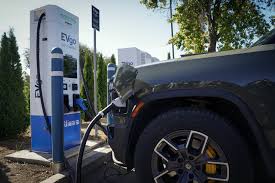
Starting this year, the new mandate calls for one EV-ready receptacle for every parking spot in multi-family housing—wired all the way to each unit’s electrical panel. That means 100% coverage, no exceptions—even for affordable projects. Additionally, now 50% of common parking areas must include an operational Level 2 charger (EVSE), ready to use.
While well intentioned, the mandate is causing heart burn for affordable developers who are now having to increase their electrical service capacity, install larger transformers, extend conduit runs, and upgrade distribution systems—delaying construction and driving up costs. Upgraded systems will almost certainly trigger longer utility review and grid upgrades, developers say, and delays often add 1–3 years to project timelines. Chargers add significantly to cost as well with comprehensive studies estimating that adding full EV-ready infrastructure and chargers costs roughly $5,000 per unit before factoring in installation, labor, or ongoing utility fees. Add to this the challenges with getting projects electrified in a timely manner, a problem we wrote about here, and the challenge becomes a real deal killer.
As an example, imagine a 100-unit development with 100 parking stalls. Developers must wire each stall to a unit panel, install Level 2 chargers, and beef up electric service throughout with the resulting cost increase estimated at $500,000. With tighter budgets and project timelines, these costs could force delays, scaled-back units, or cancellation.
At CCAH, we support the State’s green energy goals—but the one-size-fits-all mandate burdens affordable projects already operating with narrow margins. California’s EV mandate is pushing us toward greener communities, but without thoughtful implementation, it risks slowing or even halting some affordable housing production. We must ensure clean energy goals don’t collide with housing equity. We are working with aligned partners to see what changes we can make to the mandate without throwing California’s energy goals aside. Please contact our Policy Manager, Paul Shafer, at pshafer@californiacouncil.org or 916 444 0286 for more information and to get involved.