

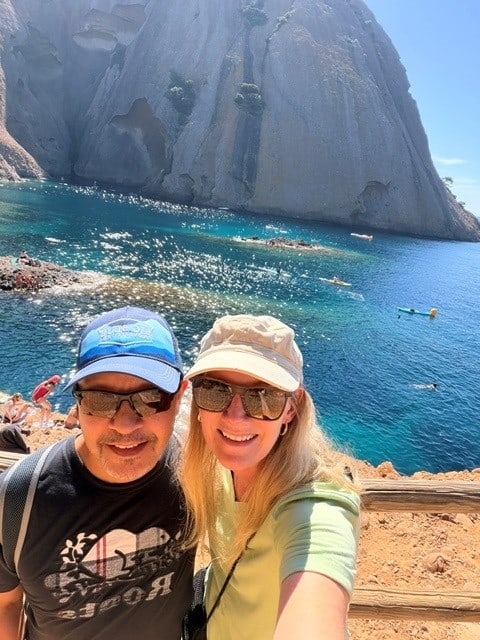
I recently took some PTO to enjoy a vacation in France with my husband. It was amazing and I highly recommend the Bouches-du-Rhône area. It’s like the Riviera but without the crowds. Having said that, I did look up over my espresso and pain au chocolat now and again to see what Governor Newsom signed and vetoed. Keeping one eye on updates while eating amazing French baguette and far to much cheese made our victories sweeter and our losses stung maybe just a little bit less. Noteably, we scored two wins with the successful passage of our sponsored bills, SB 677 (Weiner) and AB 2089 (Ward).
CCAH was a proud co-sponsor on SB 677, authored by Senator Scott Wiener. We got behind this legislation as a sponsor because we were increasingly seeing affordable housing projects delayed by frivolous parcel map appeals and by jurisdictions dragging their feet on required TEFRA approvals for tax-exempt bond financing.
Even after projects had secured approvals and financing commitments, opponents could use procedural tactics to create costly delays and jeopardize affordable housing developments. SB 677 helps prevent those abuses by limiting these delay tactics and providing an alternative path when local inaction threatens affordable housing financing. Housing reform is never easy, and Senator Wiener and his team deserve tremendous credit for their tenacious work on this bill. We were delighted to have our members give testimony on the real impacts of these kinds of delays. It’s one thing for legislators to hear the theory behind why an author writes bill language, but it’s the practical stories of harm caused to real people like our members that cement those “aye” votes and lead to a gubernatorial signature. We are grateful to Governor Newsom for signing SB 677 into law and reinforcing California’s commitment to removing unnecessary barriers to housing production.
We were equally pleased to see the passage of AB 2089, Assemblyman Ward’s Welfare Tax Exemption bill that we sponsored. While it may not generate headlines, affordable housing providers know how important the Welfare Tax Exemption is to keeping housing affordable over the long term. AB 2089 modernizes and improves administration of the program, extends important protections tied to the exemption, and helps ensure that affordable housing owners can continue focusing their resources on residents rather than paperwork and administrative hurdles. There is more work to do here and we’re already gathering our coalition, including the BOE and Tax Assessors, to find practical solutions and build on this work in 2027.
CCAH also supported another notable housing measure signed this year, AB 2689 (Avila-Farias), which creates a limited pathway for 100% affordable housing developments to decline lease renewals for households that have earned more than 140% of area median income for at least two consecutive years and whose income levels substantially exceed local fair market rents. The bill helps ensure that scarce affordable housing units remain available to the lower-income Californians they were intended to serve. We are always grateful for thoughtful legislators like Assemblywoman Avila-Farias who have a housing background and understand how to draft fair bill language that supports both those that call affordable housing home and the developers who create it.
Unfortunately, not every one of our efforts was successful. AB 2748, our affordable housing EV charging bill, was held in committee after vigorous opposition by environmental justice organizations and some unions who benefit from the EV charger installation work. The bill would have allowed affordable housing developments the choice to stick with the previous CALGreen EV charging standards requiring 40% of parking have EV charging or comply with newer requirements that significantly increase EV infrastructure obligations to 100% of reserved parking + 50% of unreserved parking. CCAH supports California’s environmental goals, but we continue to believe there must be a practical balance between sustainability mandates and housing affordability. Requiring 100% affordable housing developments to provide EV infrastructure for every single assigned parking space + 50% of open parking diverts scarce resources away from building affordable homes. We are disappointed the bill did not advance, and we are already working with a broader coalition and intend to bring this issue back in a future session.
I was also pleased to see that Governor Newsom vetoed AB 2465. The bill was motivated by very understandable concerns regarding federal immigration enforcement activities, concerns many Californians including the board and staff of CCAH share. However, we were very concerned that the measure could create uncertainty for financial institutions and investors that participate in affordable housing transactions. In fact, several of them paused lending pending the outcome of the bill. At a time when financing affordable housing is already extraordinarily difficult, introducing additional uncertainty into the marketplace could have created unintended consequences for affordable housing production. Governor Newsom’s veto message similarly raised concerns about the bill’s broad and unclear impacts on lawful state programs and economic activity. Vetoing a bill like AB 2465 takes courage and we applaud the Governor for his action.
I look forward to discussing these issues and our priorities for 2027 at CCAH’s Fall Conference in San Diego, November 11-13. At the time that I wrote this post, only 13 tickets remained, and we do expect another sold-out event. You can see the conference agenda here and if you haven’t registered yet, now is the time. I hope to see you there!